Every industry has its own cash cycle: draws, net-45 brokers, insurers, seasons, daily tickets. We underwrite to yours and pick the product that matches how the money comes in, so the remittance never fights the business.
You buy materials and make payroll weeks before the draw clears, and the equipment that wins the next bid has to be on site before the bid is won.
What we look at
Deposits over the last four months, including draw timing
Current contracts and backlog
Equipment quotes where that is the purpose
Fits first
Revenue-based funding for the gap between draws; equipment financing for machines; invoice factoring for general contractors who pay slowly; a line of credit once the file supports it.
02
Trucking and transportation
Fuel, tires and repairs are paid today; the broker pays in 30 to 45 days. The business is profitable on paper and short on cash every week.
What we look at
Load volume and the brokers you run for
Fleet size and age
Factoring already in place, if any
Fits first
Invoice factoring on delivered loads; equipment financing for tractors and trailers; revenue-based funding for repairs that cannot wait.
03
Restaurants
Daily card sales make restaurants the natural fit for revenue-based funding, and the slow months make the remittance schedule the thing to get right.
What we look at
Daily card volume and seasonality
Time at the current location
Equipment quotes for kitchen lines and buildouts
Fits first
Revenue-based funding sized to daily sales; equipment financing for the kitchen; SBA 7(a) for a second location once the first has two years of returns.
04
Retail
Inventory has to be bought months before the season that sells it. The money should come in before the goods and go out with the sales.
What we look at
Monthly deposits and the seasonal curve
Inventory turns
Lease term at the location
Fits first
Revenue-based funding timed to the season; a line of credit for recurring purchasing; equipment financing for fixtures and point of sale.
05
Medical and dental practices
Strong receivables, slow payers. Equipment and buildouts are expensive, and insurers pay on their schedule, not yours.
What we look at
Deposits and the payer mix
Equipment and buildout quotes
Practice age and ownership
Fits first
Equipment financing for imaging, chairs and lab equipment; term loans for buildouts; factoring on insurance receivables where the volume justifies it.
06
Auto services
Lifts, diagnostics and parts inventory are capital expenses paid back one ticket at a time. The daily ticket count is what we underwrite.
What we look at
Daily ticket volume and average ticket
Bays and lifts in service
Parts inventory and supplier terms
Fits first
Equipment financing for lifts and diagnostics; revenue-based funding for parts and payroll; a line of credit for supplier timing.
07
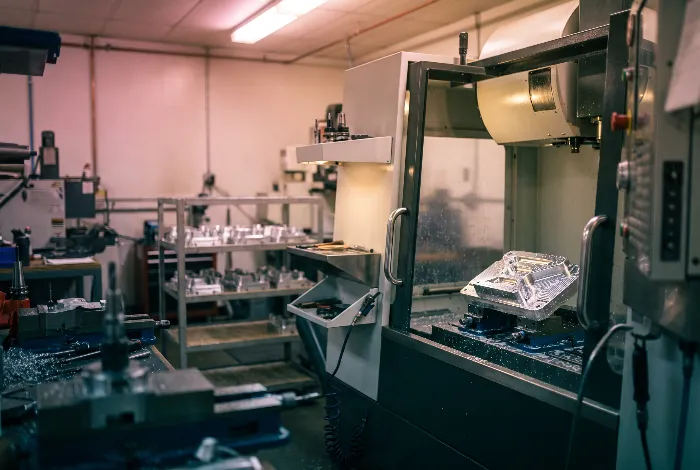
Manufacturing
The purchase order is signed, the raw materials are not paid for, and the machine that fills it needs a deposit. The order itself is the collateral we care about.
What we look at
Open purchase orders and customer credit
Machine quotes and expected output
Deposits and margin
Fits first
Equipment financing for machines; invoice factoring once goods ship; SBA 504 for the building when it is time to own it.
08
Professional services
Agencies, consultancies, staffing firms and practices hire ahead of billing and wait 30 to 60 days to be paid. Growth shows up as a cash gap first.
What we look at
Receivables aging and client concentration
Payroll cycle against billing cycle
Contracts and retainers in place
Fits first
Invoice factoring for staffing and agencies; a line of credit for payroll timing; a term loan for a planned hiring wave.
Industry questions.
Does my industry affect what I qualify for?
It affects which product fits first and how fast the funds turn over, more than whether you qualify. A restaurant with steady daily card sales and a contractor paid in draws qualify on the same deposits; they get funded differently.
Are there industries you do not fund?
A small set of restricted industries, mostly around adult content, gambling, firearms dealing and cannabis, and businesses outside the United States. If yours is on the edge, call before you apply and we will tell you in one minute.
My industry is not listed. Can you still fund it?
Almost certainly. The eight on this page are the ones we fund most, not the only ones. Six months in business and $15,000 a month in deposits is the starting line for any US business.
Tell us how your business gets paid.
Five minutes, no credit impact, and a funding specialist who already knows your industry's cash cycle on the phone the same day.